Passengers travelling via Liverpool: Roadworks warning
Please allow additional time for arriving and departing from Liverpool Terminal for the duration of emergency works on Great Howard Street - see Mersey Travel Website for further details (external link opens in new tab)
On the Isle of Man, remarkable wildlife can be part of an ordinary day out, whether you’re walking along the coast, exploring a wooded glen, looking across a wetland or taking a boat trip around the Island.
The Island’s compact size makes it particularly appealing for a wildlife-themed short break. In the space of a few days, you could encounter distinctive Manx breeds on land, spot seabirds around the cliffs and beaches, and scan the sea for seals, dolphins or even a basking shark.
Sightings are seasonal and dependent on weather and wildlife behaviour, however, so the best approach is to enjoy the habitats and landscapes as much as the animals themselves.
Landscapes and habitats of the Isle of Man
One of the Isle of Man’s greatest wildlife assets is its variety of landscapes. Despite being a relatively small island, it encompasses rugged coastline, sandy beaches, rolling hills, upland areas, wooded glens, wetlands and open countryside.
The coast is particularly rewarding. Walk sections of the Raad ny Foillan, the long-distance coastal footpath that encompasses the entire island, and you can combine spectacular views with opportunities to see seabirds, seals and other marine life. The west coast is especially noted for coastal birds, while the southern tip offers views across the sea towards the Calf of Man.
Away from the coast, the Island’s glens and wetlands provide a very different wildlife experience. The Curraghs in the north are a mosaic of wetland habitats, including scrub, bog, open water and hayfields, supporting a wide range of wildlife. They’re also famous for one of the Isle of Man’s most unexpected residents: wild wallabies.
There are also managed habitats on the Island, such as the Curraghs Wildlife Park, where viewing the animals is a lot easier and less luck dependent.
Native and iconic land mammals
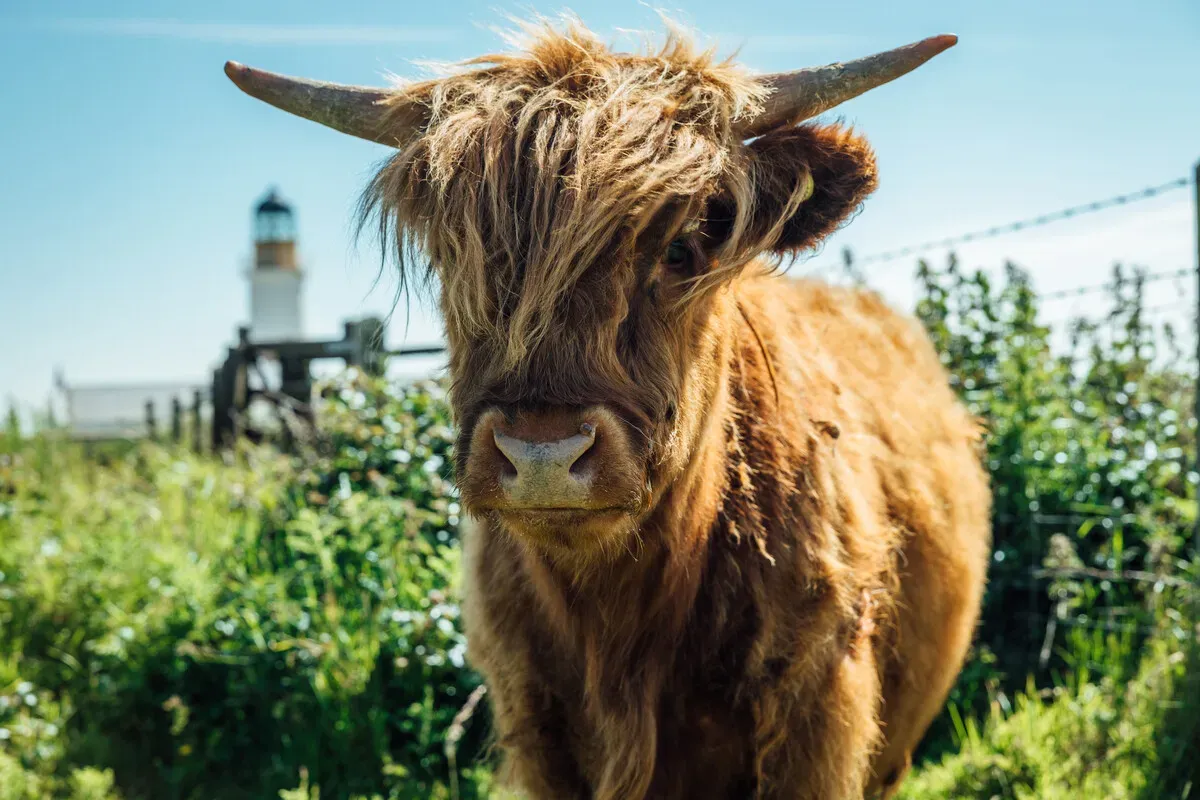
For many visitors, encountering the Manx Loaghtan sheep will be a highlight. This distinctive, hardy breed has been associated with the Isle of Man for generations and is recognisable by its brown fleece and impressive horns. Some animals have four or even six horns.
Cregneash, a traditional Manx crofting village overlooking the Calf of Man, is one of the places where visitors can see Loaghtan sheep, Manx cats, and other animals associated with the Island’s agricultural heritage.
Then there are the wallabies – the red-necked wallabies living around the Ballaugh Curragh are one of the Island’s most unusual wildlife stories. Descended from animals that escaped from a wildlife park in the 1960s, a population has established itself in the north. They can be a bit tricky to spot, but if you’re lucky and keep your eyes peeled, you may catch a glimpse of a mammal when exploring the Curraghs and surrounding countryside.
Seabirds, coastal birds and birds of prey
You don’t need to be a pro birder to enjoy the Isle of Man’s birdlife – just walking along the coast can reveal birds soaring over the cliffs or gathering on beaches and rocky shorelines.
Puffins are among the most exciting and distinctive possibilities. A puffin colony has been recorded near Peel, while puffins have also returned to the Calf of Man following conservation efforts. Other coastal species include kittiwakes, guillemots, shags and razorbills. On the Calf of Man, around 33 species of seabirds breed, while migrating birds add even more variety throughout the year.
Choughs, peregrines, hen harriers and red kites can all be seen around the Island. You don’t need any specialist knowledge to appreciate them – just a pair of binoculars, a little patience and an awareness of your surroundings can be enough.
Marine wildlife around the Isle of Man
The sea surrounding the Island opens up another world of wildlife watching. Grey and common seals can be found in Manx waters throughout the year, with the Sound at the southern tip particularly well known for seal sightings.
Dolphins, porpoises, seals and minke whales can all be seen in Manx waters. Perhaps the most spectacular visitor is the basking shark, which arrives during warmer months to feed on plankton. Basking sharks can sometimes be seen close to shore, particularly along the west coast, although sightings are heavily dependent on conditions and luck.
One of the easiest ways to experience this marine wildlife is from the water itself. Organised boat trips, or even sea kayaking, operate around the Island and give a different perspective on the coastline, with opportunities to look for the magnificent sea creatures.
Responsible wildlife watching and safety
Wildlife watching is best when animals can behave naturally, so always keep a respectful distance, avoid trying to feed or touch wild animals, and never attempt to approach nesting birds, seal pups or other wildlife for any reason.
Take particular care around cliffs and the coastline: stick to the set paths, check weather and tide conditions before setting out. Remember that wet rocks, steep ground and changing sea conditions can make coastal areas dangerous.
If you’re watching from a boat, follow the operator’s instructions and allow wildlife plenty of space. Responsible wildlife tourism is about observation rather than interaction: the aim is to leave the animals and habitats exactly as you found them.
Planning a wildlife-themed Isle of Man trip by ferry
A ferry journey is an ideal way to start a wildlife-focused Isle of Man break – bringing your own car gives you the flexibility to explore different habitats around the Island. There’s also something satisfying about bringing the right gear with you. Binoculars, walking boots, waterproof clothing and a camera can all come along for the journey. For a wildlife-themed break, consider allowing yourself a little flexibility rather than filling every hour of your itinerary.
We operate ferry services connecting the Isle of Man with Heysham, Liverpool, Larne, and Dublin making it straightforward to plan a short break around the Island’s natural attractions.
Isle of Man wildlife FAQs
What wildlife can you see on the Isle of Man?
The Island is home to wildlife including Manx Loaghtan sheep, seals, wallabies and a wide range of seabirds. Depending on the season and conditions, visitors may also see puffins, choughs, dolphins, porpoises, whales and basking sharks.
Where can I see wild wallabies on the Isle of Man?
Wild wallabies can be spotted in the Curraghs in the north of the Island – they are free-ranging wild animals, so sightings aren’t guaranteed. The wetland landscape is worth exploring regardless.
When is the best time to see puffins?
Puffins are best seen on the Isle of Man from March to August.
Can you see dolphins around the Isle of Man?
Yes, dolphins and porpoises can be seen in Manx waters. Boat trips can provide a good opportunity to search for marine wildlife, although sightings depend on weather, sea conditions and animal behaviour.
Where can I see seals?
The Sound at the southern tip of the Isle of Man is particularly well known for seal sightings, and seals can also be seen near Langness in the south, and at Maughold Head and the Point of Ayre in the north.
Are basking sharks found around the Isle of Man?
Yes. Basking sharks are regular seasonal visitors to Manx waters, particularly during warmer months when plankton is plentiful. They can sometimes be spotted from the shore as well as from boats, especially along the south and south-west coasts.
Do I need specialist equipment for wildlife watching?
Not at all. Comfortable walking shoes, weatherproof clothing and binoculars are useful, and a camera or smartphone can help you record memorable sightings. The most important thing is patience and a willingness to enjoy the landscape even when the wildlife stays out of sight.
Is the Isle of Man suitable for a wildlife-themed short break?
Absolutely. The Island’s relatively compact size makes it possible to combine several different habitats within a short visit. You could explore wetlands and countryside in the north, walk the western coastline, visit Cregneash and the Sound in the south, and take a boat trip in search of marine wildlife, all within one trip.